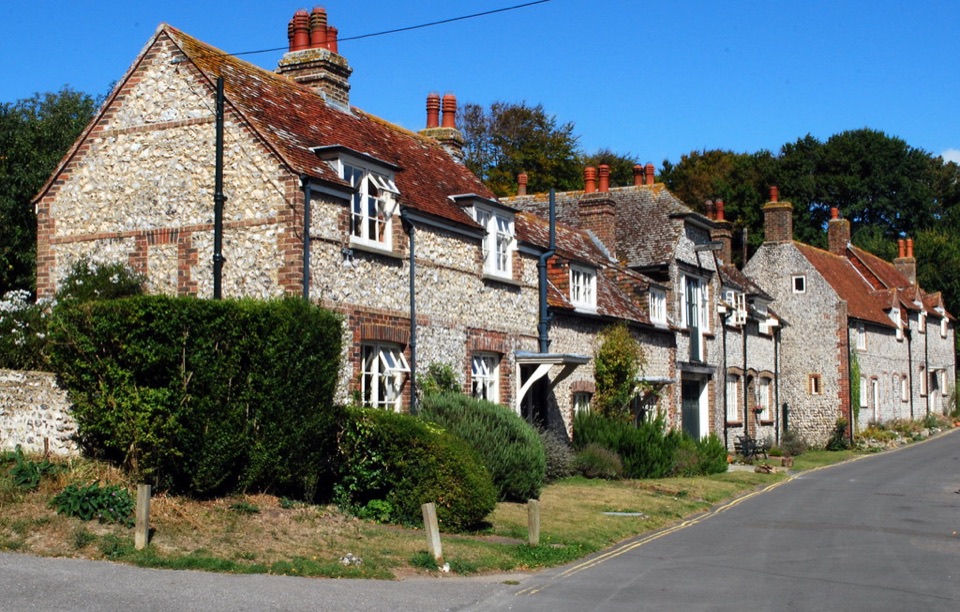
A surface and planning check
We look at where you want the panel and check it against the planning rules. What the wall's made of usually settles the answer.
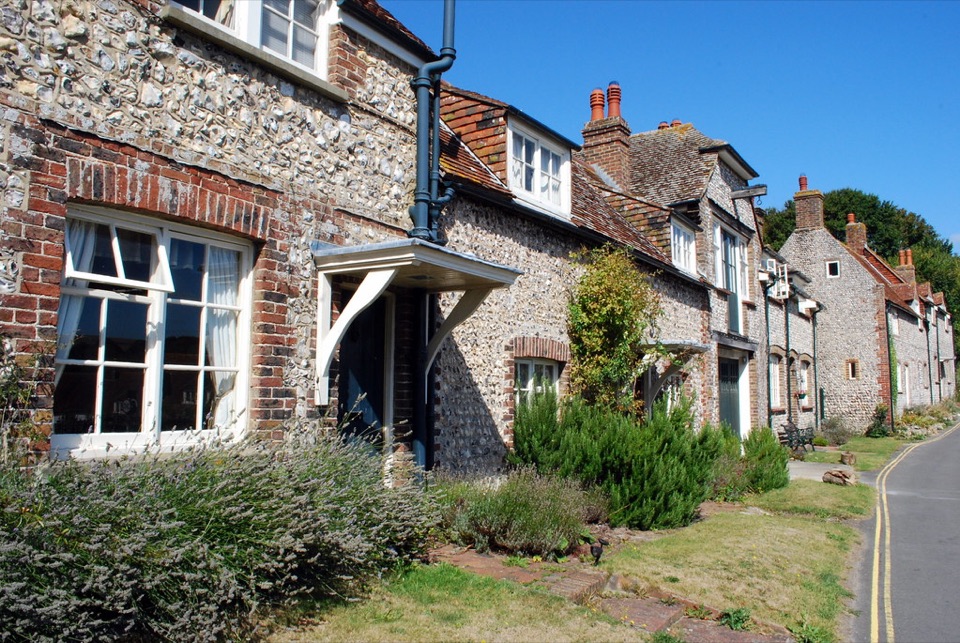
Flint and brick at East Dean, East Sussex.
We check where the panel would go against the planning rules, work out which of the two network operators covers your postcode, and arrange an electrician if you need a socket fitted. The South East gets the most sun in Britain, so a panel here does well.
Five boxes: name, postcode, email, where the panel would go and what the surface is made of. You get one email back: the rule for your surface, a yearly figure, and which operator you're under.
We reply by email. Your postcode isn't passed to anyone and we don't take commission.
Most of England sits inside a single network operator's area. The South East is split between two, and your postcode is what decides which one is yours.
One of the two
It's part of UK Power Networks and holds the South East England licence area.
The other
It holds the Southern England licence area, and together the two operators cover every county on this page.
This comes from the published list of licence areas, and we treat it as a working map rather than gospel. We won't tell you which operator your county belongs to. Check your postcode through that operator's own online tool first, before anything gets sent.
You can also ring 105 instead.
Licence areas are taken from the published list of distribution network operators, marked provisional, and read 13 September 2026. The 105 number belongs to Ofgem.
105
Ring 105 and you'll be put through to whoever runs the wires into your street. It's free to call from anywhere in England, Scotland or Wales.
Great Britain legalised plug-in solar on 27 August 2026, when regulations made the previous month came into force.
The permitted development right for solar equipment was rewritten that same day. Under the new wording, a plug-in installation isn't allowed on a wooden wall, a balcony or timber cladding. That rule is stated once for houses and again for blocks of flats.
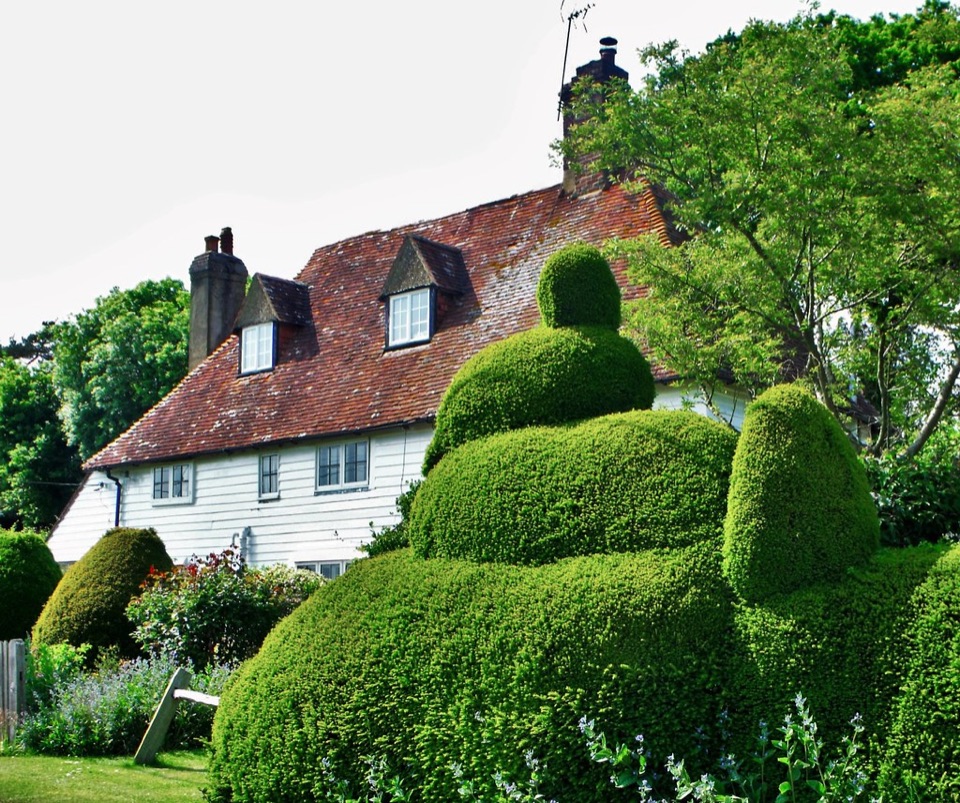
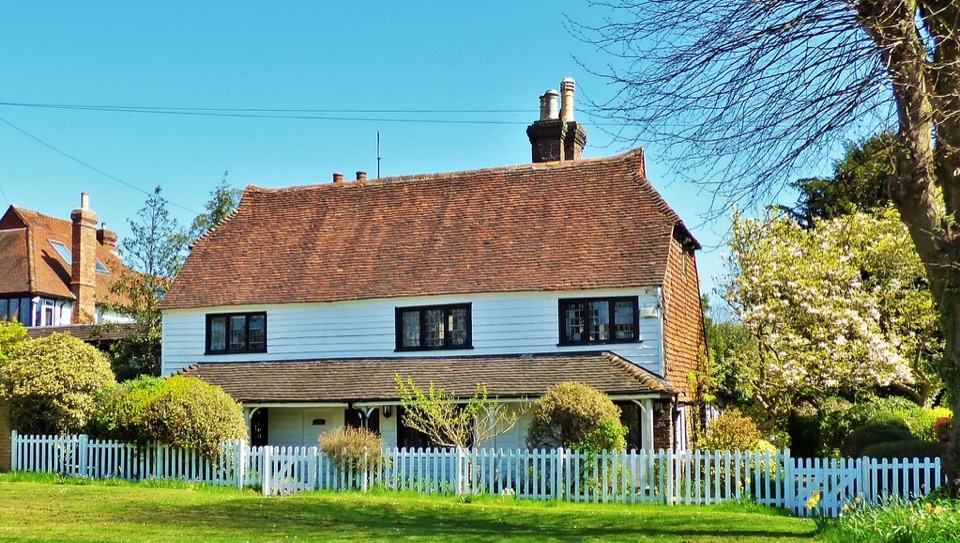
That matters here. Weatherboard is everywhere across the Weald and the Kent marshes, and hung tile and timber frame run through Surrey and Hampshire. A good few of the walls people have in mind fall outside what the right now covers.
There's a twelve month changeover. Until 27 August 2027 you can use either the old rules or the new ones. Beyond that date there is a single set of rules. If your home falls outside the right you would need planning permission, and the government's own assessment expects the fees and paperwork to outweigh what the kit costs and saves.
Planning Portal guidance on solar equipment mounted on a house or a block of flats, and the DESNZ final stage impact assessment. Both read 13 September 2026.
We start by checking your surface. Then, if you need one, we sort the socket and tell the network operator for you. Stop after any of the three, if that's all you want.
We look at where you want the panel and check it against the planning rules. What the wall's made of usually settles the answer.
You can plug the panel in yourself. An electrician only comes in if the socket needs to be outside, fitting a weatherproof one, and we arrange that for you.
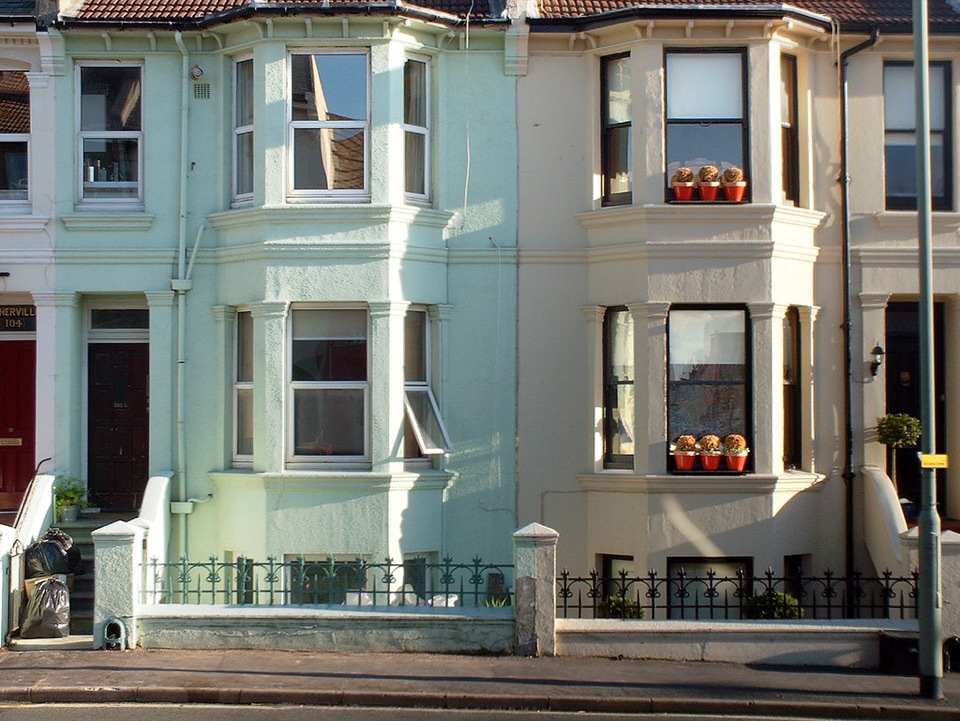
We work out which of the two operators covers you, then fill in the short form with you.
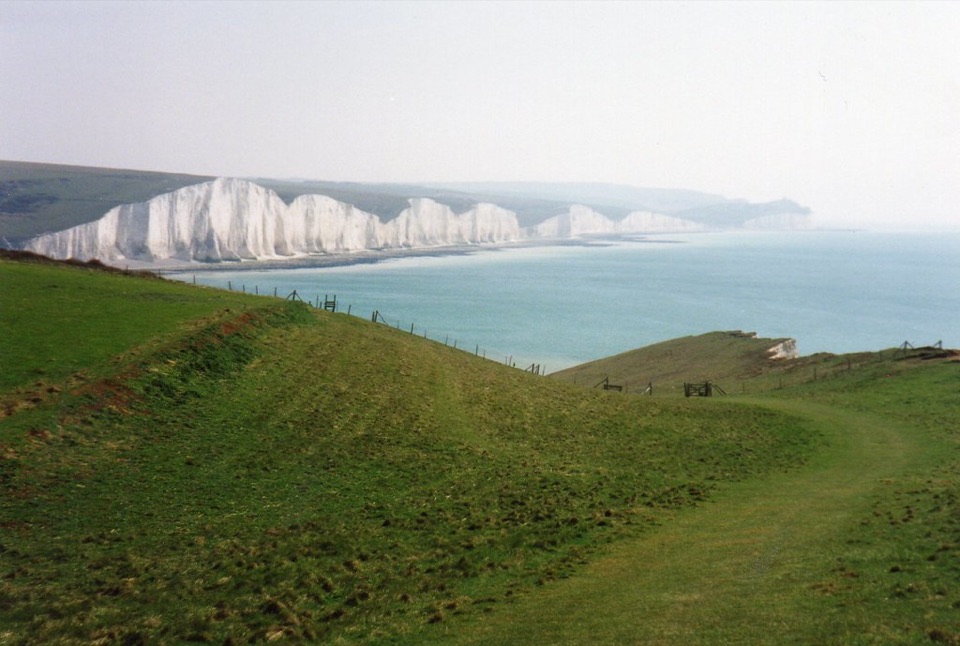
897kWh a year
That's what one 800 watt panel would make on a south facing roof pitch, unshaded, modelled at Brighton. No UK region scores higher, though it's a ceiling rather than a forecast. The saving comes down to how much electricity your household is drawing at the moment the panel is producing it.
The Seven Sisters, East Sussex. Modelled in PVGIS for 0.8 kWp facing due south at 35 degrees, with losses set to 14 per cent. Queried 13 September 2026.
Here are four positions for the same 800 watt panel, all modelled at the same point in Brighton. Put it on a wall and you'll make a lot less than on a roof or a garden frame.
Modelled in PVGIS for 0.8 kWp with losses set to 14 per cent and nothing shading the panel, at one point in Brighton. Queried 13 September 2026. A single point can't speak for a whole region, so a house tucked under the Downs won't match one on the seafront.
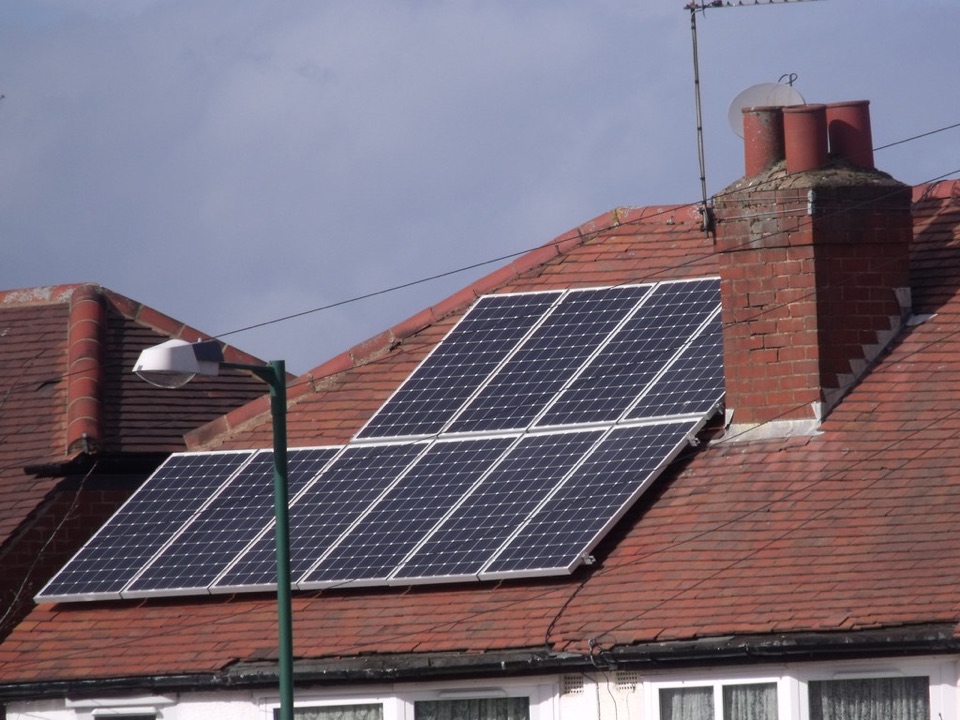
Usually not, though it depends on your home meeting the conditions in the permitted development right. Those conditions cover how far the equipment sticks out, what happens in conservation areas and at listed buildings, and, since August 2026, what the wall is made of. Miss one and you'll need to apply. We tell you where your home stands before you spend anything.
One per household. The product specification allows one panel on each final ring circuit, but it's the network rules that actually cap it at one per home. That rule is Engineering Recommendation G98 Issue 2 Amendment 1, and it stands until somebody changes it.
No, not inside the approved kit. The interim product specification covers neither a standalone battery nor a solar device with storage built in. People who responded to the consultation said leaving batteries out reduces what you get back, but the government left them out anyway.
There are no prices on this site. The panel, the socket and any circuit work all vary from house to house and supplier to supplier, so we price your address once we know what the surface is.
We'll tell you what the rules allow at your address, and what a panel would make there in a year. We'll tell you which operator to notify, too. And where it will not suit your home, we say so up front.
Check my address